PuffsaurusPuffsaurus
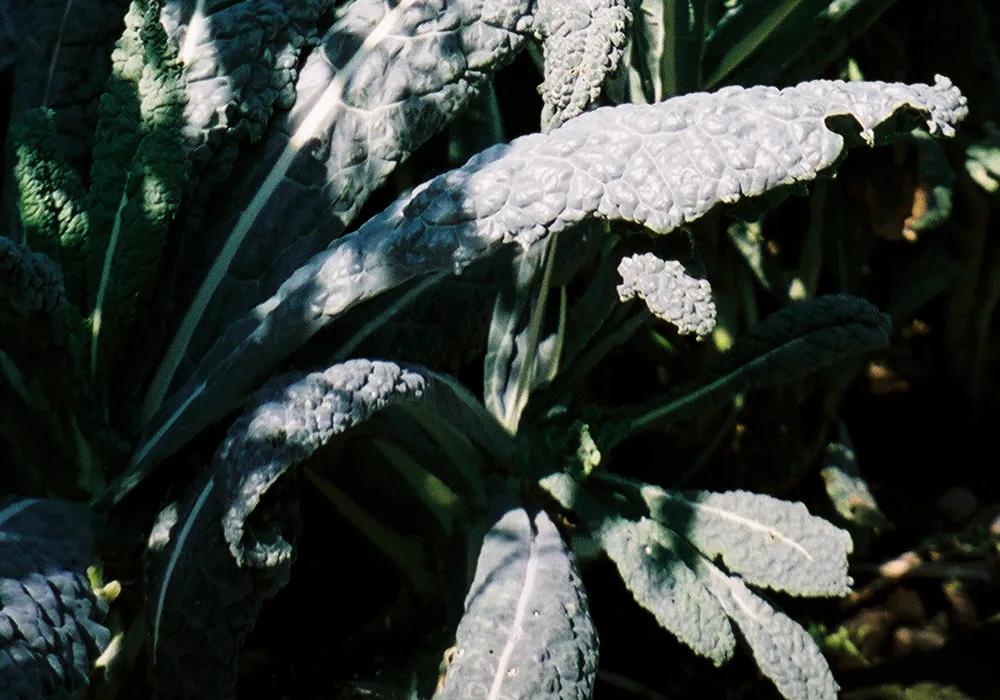
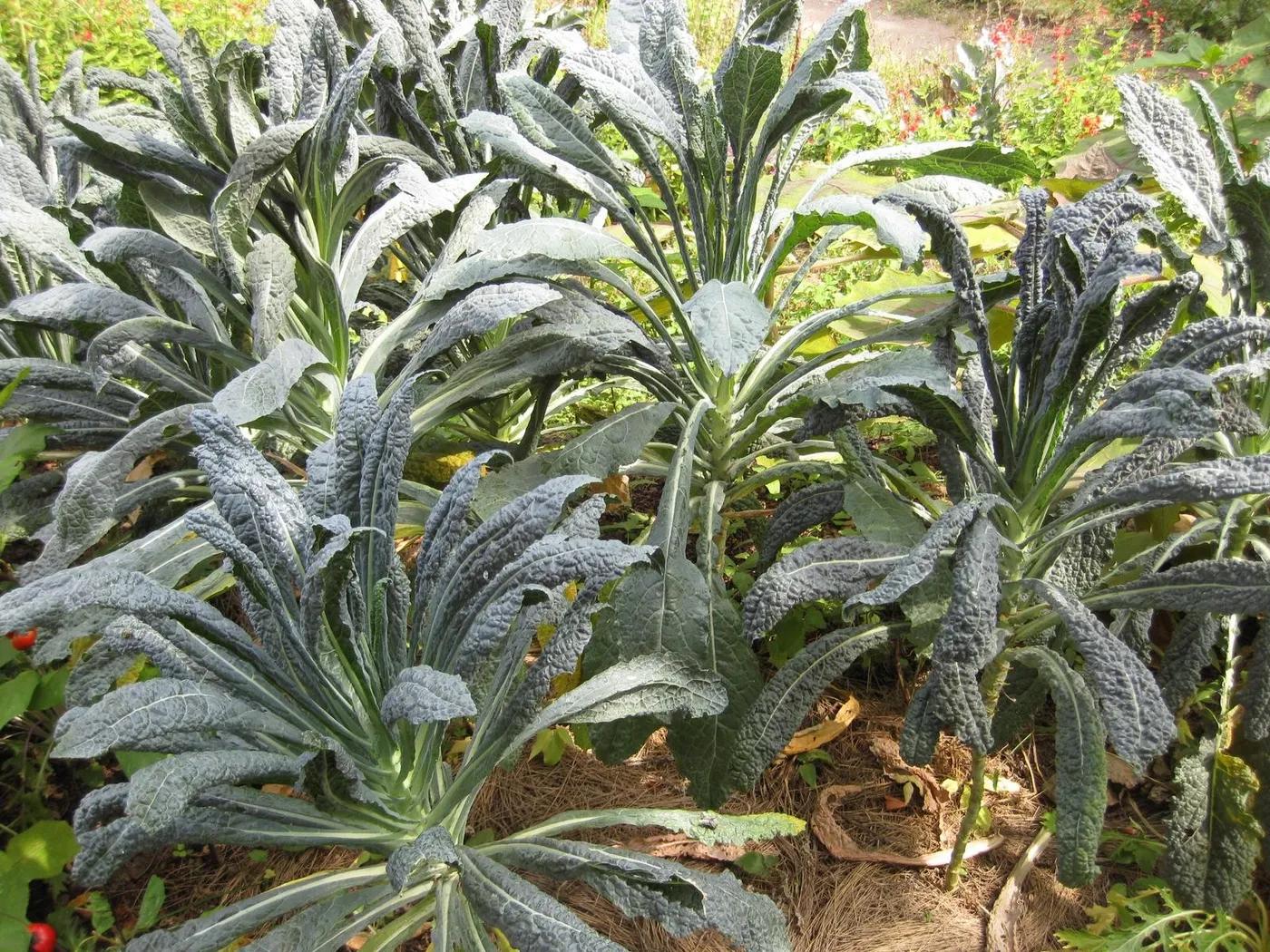
Dinosaur kale plants with long, dark, bumpy leaves growing in a garden
Ask Puffsaurus

Dinosaur Kale

There's a vegetable named after dinosaurs! Find out why dinosaur kale got its name, compare it to real fossil dinosaur skin, learn what plant-eating dinosaurs really ate, and try some roar-some kale snacks.

Quick Answer

Dinosaur kale is a kind of kale from Italy, also called Lacinato, Tuscan kale or cavolo nero. It gets its name from its long, dark leaves covered in little bumps that look like scaly dinosaur skin. Dinosaurs never actually ate it (it's much too new!), but it's a tasty, healthy green that kids can eat raw, baked into crunchy chips or blended into smoothies.

Why Is It Called Dinosaur Kale?

Run your finger along a leaf of dinosaur kale and you'll feel lots of little bumps and wrinkles. Gardeners call this kind of leaf savoyed. To many people, the bumpy surface looks just like the pebbly, scaly skin of a dinosaur or a lizard.

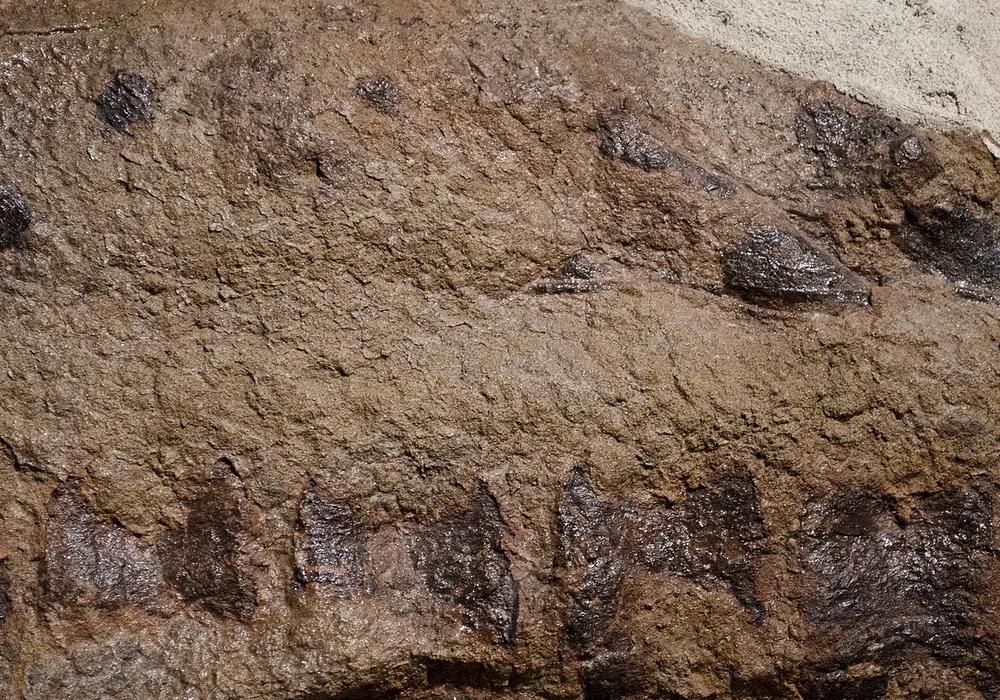
Here's the fun part: we know what some dinosaur skin really looked like! When a few dinosaurs were buried very quickly, the pattern of their skin was pressed into the mud and turned to stone. Fossil skin from the duck-billed Edmontosaurus is covered in small, rounded scales, with bigger bumps here and there. Compare them side by side:

Close-up of dinosaur kale leaves showing their bumpy, pebbly surface
🥬 Kale leaf: long and dark, with rows of little bumps.
Fossil skin impression of an Edmontosaurus showing small pebbly scales and larger bumps
🦕 Dinosaur skin: a real fossil skin print from an Edmontosaurus, with tiny pebbly scales.

One Vegetable, Lots of Names

If you can't find “dinosaur kale” at the store, look for one of its other names. They're all the same plant:

  • Dinosaur kale

    for its bumpy, scaly-looking leaves

  • Lacinato kale

    the name on many seed packets

  • Tuscan kale

    after Tuscany, the part of Italy it comes from

  • Cavolo nero

    Italian for “black cabbage”

  • Black kale

    for its very dark blue-green color

  • Palm kale

    because a tall plant looks like a little palm tree

6 Fun Facts About Dinosaur Kale

It's a kind of cabbage

Kale, cabbage, broccoli, cauliflower and Brussels sprouts are all the same plant species! Farmers bred them, over thousands of years, from wild cabbage that grows on seaside cliffs in Europe.

Hundreds of years old

Dinosaur kale has been grown in Tuscany, Italy, for centuries. Italian cooks still put it in a famous bean and bread soup called ribollita.

Frost makes it sweeter

When nights turn frosty, the plant turns some of its starch into sugar, which works like antifreeze. Many gardeners say kale tastes best after the first frost.

It grows like a tree

Gardeners pick the bottom leaves and leave the top growing. Over a season the stem gets tall and bare, with a tuft of leaves on top, like a tiny palm tree.

Packed with vitamins

Dark leafy greens like dinosaur kale give you vitamins K, A and C, plus fiber, calcium and other good stuff for growing bodies.

Almost black

Its leaves are so dark blue-green that Italians call it “black cabbage.” A waxy coat gives them a dusty, blue-gray shine.

Did Dinosaurs Eat Kale?

Sorry, dinosaurs: no kale for you! Kale is a kind of cabbage that people grew and changed on their farms, bit by bit, over the last few thousand years. The last big dinosaurs died out 66 million years ago, long before any farms or vegetables existed.

So what did plant-eaters like Triceratops, Stegosaurus and the giant long-neck dinosaurs munch on? Scientists find clues in fossil plants, in the shape of dinosaur teeth, and even in fossil dinosaur poop (called coprolites). Here is a dinosaur salad bar:

  • Ferns: soft and everywhere, a favorite snack
  • Conifers: pine and monkey-puzzle trees, munched by long-necks
  • Cycads: tough, spiky plants that look like palms
  • Horsetails: jointed, bamboo-like stems near water
  • Ginkgo: fan-shaped leaves; ginkgo trees still grow today
  • Flowering plants: appeared later, during the Cretaceous

There was almost no grass for most of the dinosaur age, but tiny bits of grass found in fossil poop from India show that some late long-neck dinosaurs did nibble it.

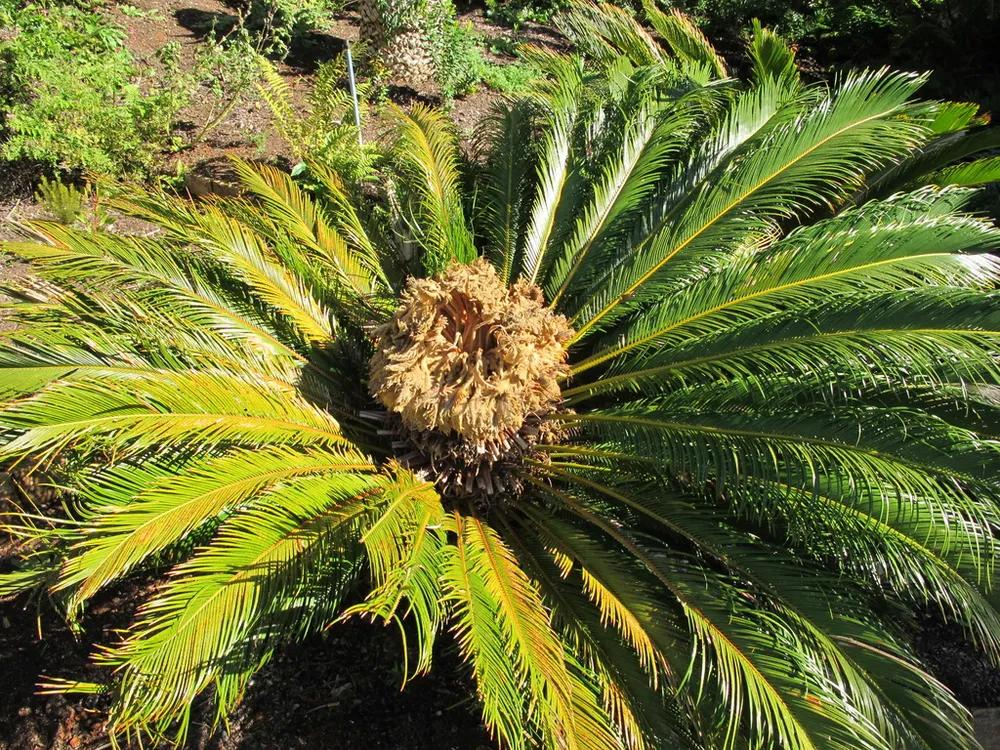
A cycad plant with stiff, feathery green leaves spreading out from the middle
A cycad, one of the “living fossil” plants that grew in the age of dinosaurs. Its leaves even look a little like a dinosaur kale plant from above!

Is Dinosaur Kale Good for Kids?

Yes! Like other dark leafy greens, dinosaur kale is full of vitamin K (helps cuts heal), vitamin A (helps eyes see in dim light) and vitamin C (helps fight off colds), plus fiber and calcium. It is more tender and milder than curly kale, which makes it a good first kale for kids.

Tips for parents

  • Always pull out the tough middle stem. It's stringy and hard to chew.
  • For toddlers, chop leaves very small or cook them soft, since big raw leaves can be hard to chew and swallow.
  • Start with small amounts. Lots of new fiber at once can upset little tummies.
  • If your child takes blood-thinning medicine, ask your doctor about foods high in vitamin K.

Roar-some Dinosaur Kale Snacks for Kids

Crunchy Dino Scale Chips

  1. A grown-up heats the oven to 300°F (150°C).
  2. Kids tear the leaves off the tough middle stem into chip-sized “scales.”
  3. Wash and dry them really well (wet leaves go soggy).
  4. Toss with a little olive oil and a pinch of salt, then spread out on a baking tray.
  5. Bake about 15 to 20 minutes, until crisp but still green. Let them cool, then crunch!

Swamp Smoothie

  1. Blend a small handful of kale leaves (no stems) with a banana, a cup of frozen fruit like mango or pineapple, and milk or yogurt.
  2. The sweet fruit hides the green taste. Call it “swamp juice” and let kids name their own dinosaur drink.

Massaged Dino Salad

  1. Slice leaves into thin ribbons and add a squeeze of lemon and a drizzle of olive oil.
  2. Let kids scrunch and “massage” the leaves with clean hands for a minute or two. They turn softer, darker and less bitter.
  3. Add sweet things kids like: apple pieces, raisins or grated cheese.

Hide It in Pasta or Soup

  1. Stir chopped leaves into pasta sauce, soup or scrambled eggs for the last few minutes of cooking.
  2. They soften fast and soak up the flavors, so picky eaters often barely notice.
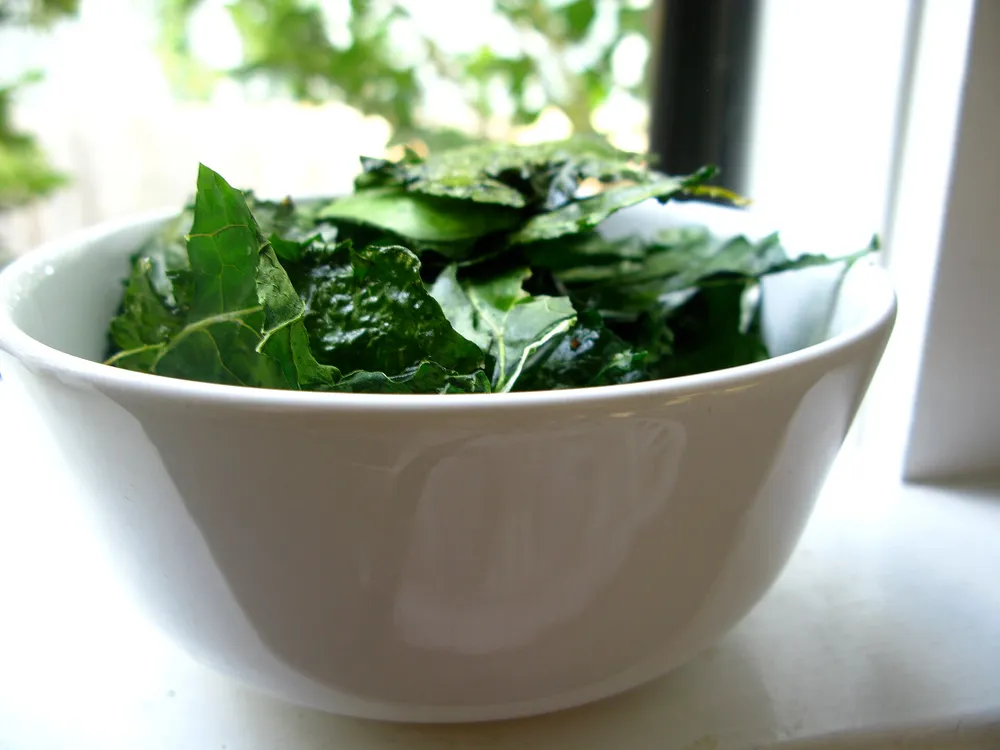
A white bowl full of crispy, dark green baked kale chips
Baked kale chips: crunchy, salty and a fun way to eat your greens. Pretend they're dinosaur scales!

Grow Your Own Dinosaur Garden

Dinosaur kale is one of the easiest vegetables for a family garden, and it looks amazing too:

  1. When: plant seeds in early spring, or in late summer for a fall and winter crop. Kale loves cool weather.
  2. Where: a sunny or partly shady spot, in the ground or a big pot. Space plants about a foot (30 cm) apart.
  3. Water: keep the soil damp, about an inch of water a week.
  4. Pick: baby leaves are ready in about a month, big leaves in 2 to 3 months. Snap off the bottom leaves first and the plant keeps growing taller, like a palm tree.

Make it a dinosaur garden: tuck a few toy dinosaurs between the plants, or add a fern for a real Jurassic touch. Want more dinosaur fun? See our best dinosaur toys.

Frequently Asked Questions

Why is it called dinosaur kale?

Because its long, dark leaves are covered in little bumps that look like the scaly, pebbly skin of a dinosaur or lizard. Fossil skin of dinosaurs like Edmontosaurus really does have a bumpy pattern a bit like a kale leaf.

Did dinosaurs eat dinosaur kale?

No! Kale is a kind of cabbage that people bred from wild cabbage only a few thousand years ago, long after the dinosaurs died out 66 million years ago. Plant-eating dinosaurs ate ferns, conifers, cycads, horsetails, ginkgo and, later, early flowering plants.

Is dinosaur kale the same as Lacinato or Tuscan kale?

Yes. Dinosaur kale, Lacinato kale, Tuscan kale, cavolo nero, black kale and palm kale are all names for the same Italian kale with long, dark, bumpy leaves.

Can you eat dinosaur kale raw?

Yes. Dinosaur kale is more tender and less bitter than curly kale, so it is nice raw in salads. Remove the tough middle stem, slice the leaves thinly and massage them with a little lemon juice and olive oil to make them softer.

Is dinosaur kale good for kids?

Dark leafy greens like dinosaur kale give vitamins K, A and C, fiber and calcium. Kids often like it best as crispy kale chips or blended into a fruit smoothie. Serve small amounts at first and cut it into small pieces for little ones.

What does dinosaur kale taste like?

It tastes earthy, a little nutty and slightly sweet, and milder than curly kale. Cooking makes it softer and even milder, and frosty weather in the garden makes it sweeter.

Is dinosaur kale easy to grow?

Yes. It likes cool weather, sun or part shade and regular water. Plant it in early spring or late summer. Baby leaves are ready in about a month, and full-size leaves in about 2 to 3 months. Pick the bottom leaves first and the plant keeps growing.

Keep exploring: meet Edmontosaurus, the dinosaur with the bumpy skin, discover the types of dinosaurs, or print a free dinosaur coloring page.

Image credits (via Wikimedia Commons): dinosaur kale plants at the top of the page by Raffi Kojian, Gardenology.org (CC BY-SA 3.0); dinosaur kale leaf close-up by GearedBull (public domain); Edmontosaurus skin impression, Museum of the Rockies, by Tim Evanson (CC BY-SA 2.0); cycad at Kirstenbosch by Derek Keats (CC BY 2.0); kale chips by Kari Sullivan (CC BY 2.0). Images were cropped and resized for the web.

Does your little one love dinosaurs? 🦕

Explore our dinosaur-themed nursery rhymes and kids' songs!