
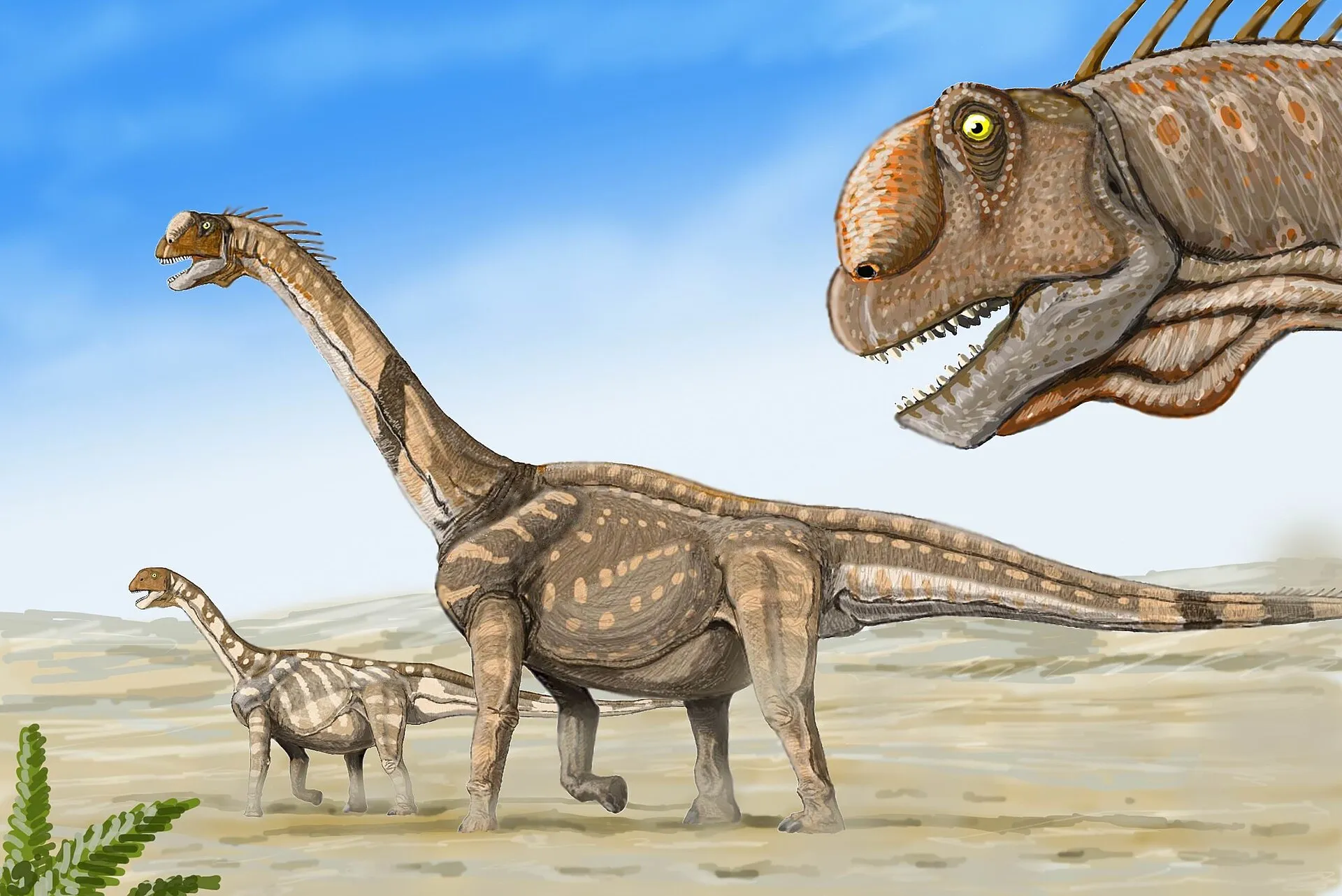
Camarasaurus
Meet the most common long-neck dinosaur of North America! Discover how big it was, why it had a boxy head and spoon-shaped teeth, and where you can see a real Camarasaurus skull today.
What was Camarasaurus?
Camarasaurus was a giant long-necked dinosaur that ate plants. It lived in the western United States about 155 to 145 million years ago, grew about 50 to 60 feet (15 to 18 m) long, and is the most common long-neck fossil found in North America's Jurassic rocks.
Meet Camarasaurus
Camarasaurus (say KAM-uh-ruh-SORE-us) was a sauropod, one of the huge plant-eating dinosaurs with a long neck, a long tail and four thick legs like tree trunks. Its name means "chambered lizard". That's because its backbones had hollow air pockets inside them, like little rooms. They made its giant skeleton lighter, so it was easier to carry around.
Scientist Edward Drinker Cope named Camarasaurus in 1877, from fossils dug up at Garden Park in Colorado. Since then, fossil hunters have found hundredsof Camarasaurus, including some complete skeletons. It is the most common long-neck dinosaur found in North America's Late Jurassic rocks.
Compared with its cousins, Camarasaurus had a short, boxy head, big nostril openings high up on its skull, and a shorter, stiffer neck. It was a gentle herbivore, and its best protection was simply being enormous.
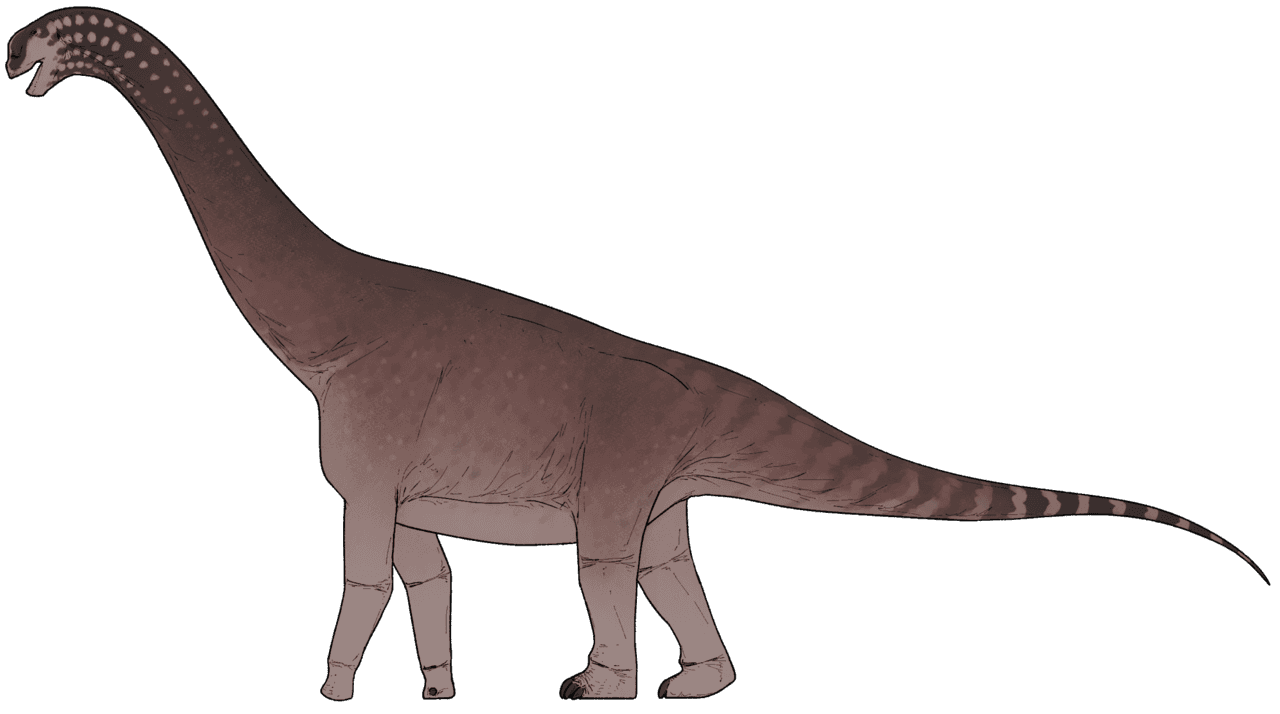
Camarasaurus Quick Facts
| Pronounced | KAM-uh-ruh-SORE-us |
|---|---|
| Name means | Chambered lizard |
| Type | Sauropod (long-necked dinosaur) |
| Diet | Herbivore (plants) |
| Length | Usually 50–60 ft (15–18 m); biggest maybe 75 ft (23 m) |
| Height | About 15 ft (4.6 m) at the hips |
| Weight | About 18–20 tonnes (estimate); biggest maybe 40+ tonnes |
| When | 155–145 million years ago, Late Jurassic |
| Where | Western USA: Colorado, Utah, Wyoming, New Mexico |
| Named by | Edward Drinker Cope, 1877 |
Fun Facts About Camarasaurus
How Big Was Camarasaurus?
A grown-up Camarasaurus was usually about 50 to 60 feet (15 to 18 metres) long. That is longer than a school bus! It stood about 15 feet (4.6 m) tall at the hips, so a grown-up person would only reach up to its knee.
Scientists estimate that it weighed around 18 to 20 tonnes, which is as heavy as several elephants. The biggest kind, called Camarasaurus supremus("supreme" means the biggest and best), may have grown to about 75 feet (23 m) and weighed perhaps 40 tonnes or more.
📏 Try this: Take 55 big steps across a park or playground. That is roughly how long a Camarasaurus was from nose to tail!
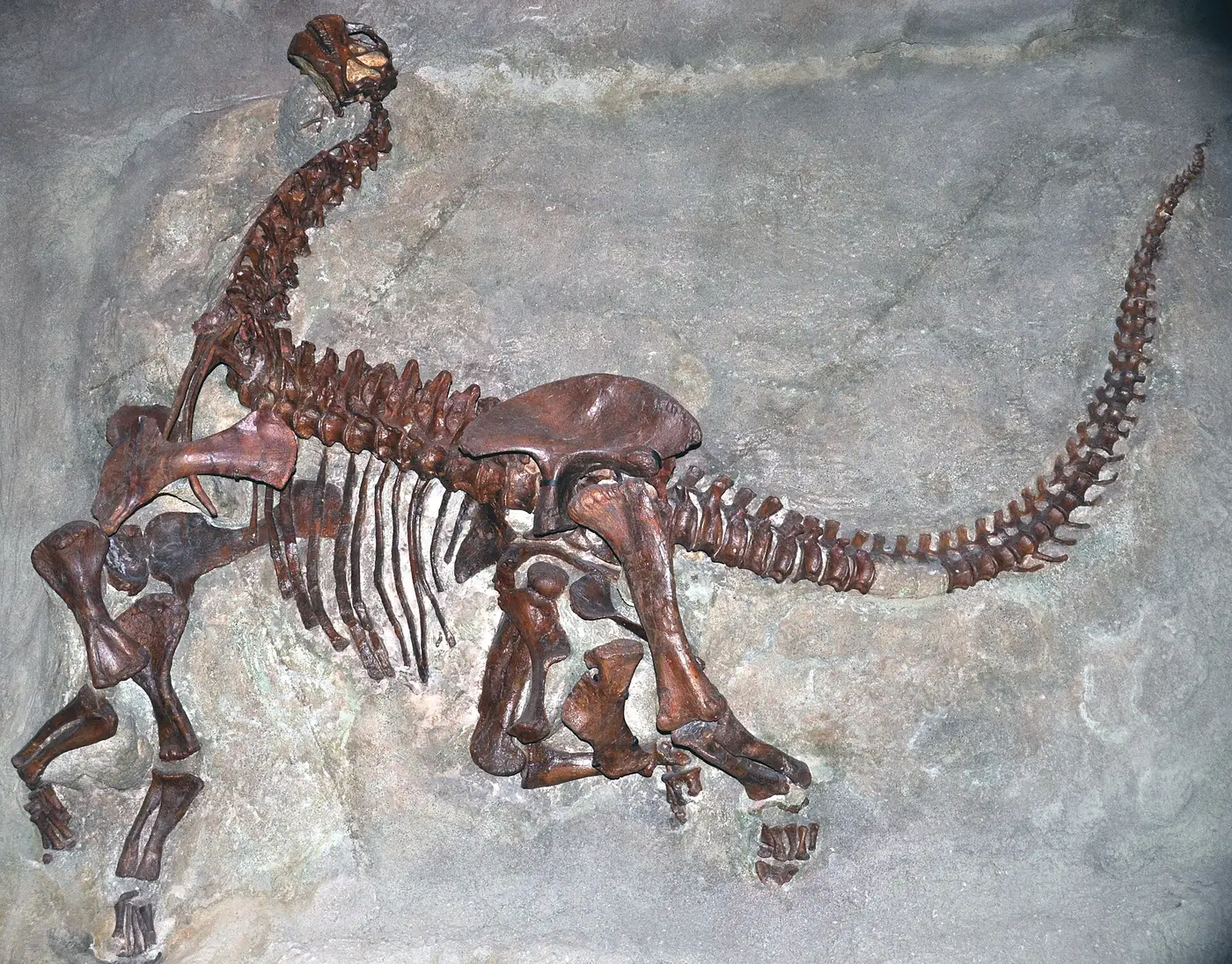
What Did Camarasaurus Eat? (Spoon-Shaped Teeth!)
Camarasaurus was a plant eater. It had strong jaws and big teeth shaped like spoons or chisels. Teeth like these could bite through tougher plants than the thin, pencil teeth of cousins like Diplodocus.
Because its neck was shorter and stiffer, Camarasaurus probably fed at about middle height, munching on bushes and trees rather than the very tops of tall trees.
Chewing tough plants wore its teeth down fast, so Camarasaurus grew new ones all the time. Scientists think each tooth was replaced about every two months!
Some skeletons were found with smooth swallowed stones, called gastroliths (say GAS-troh-liths), inside them.
🦷 Love toothy long necks? Meet Nigersaurus, a sauropod with about 500 teeth, on our What Dinosaur Has 500 Teeth? page.
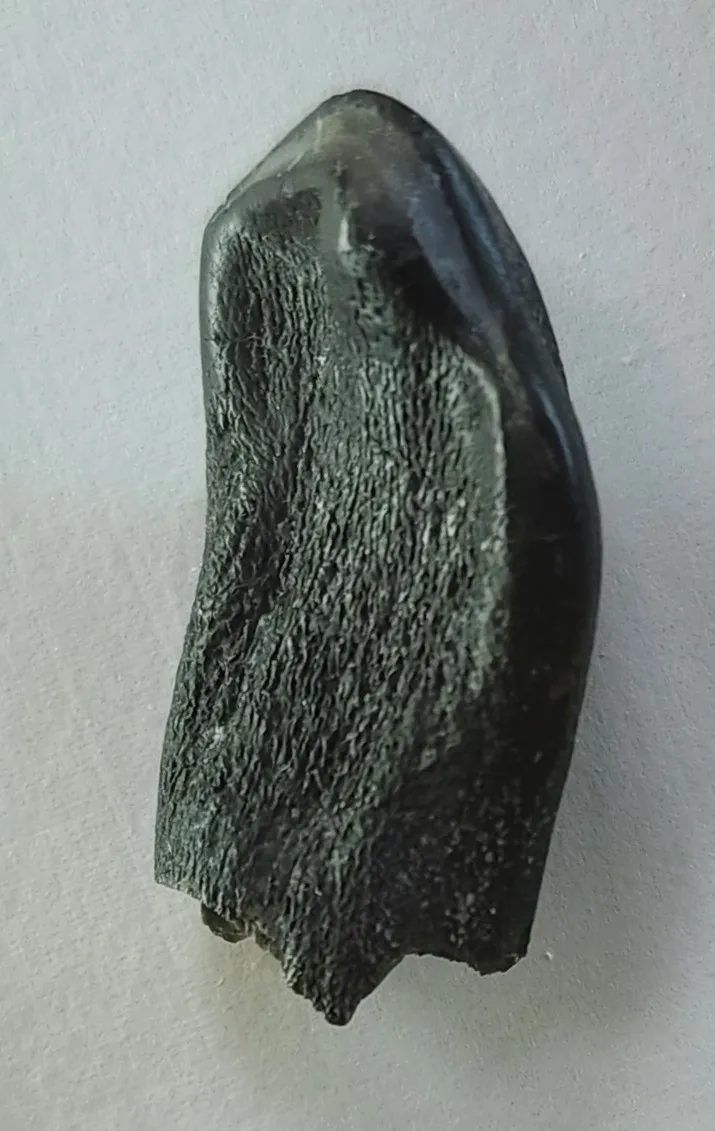
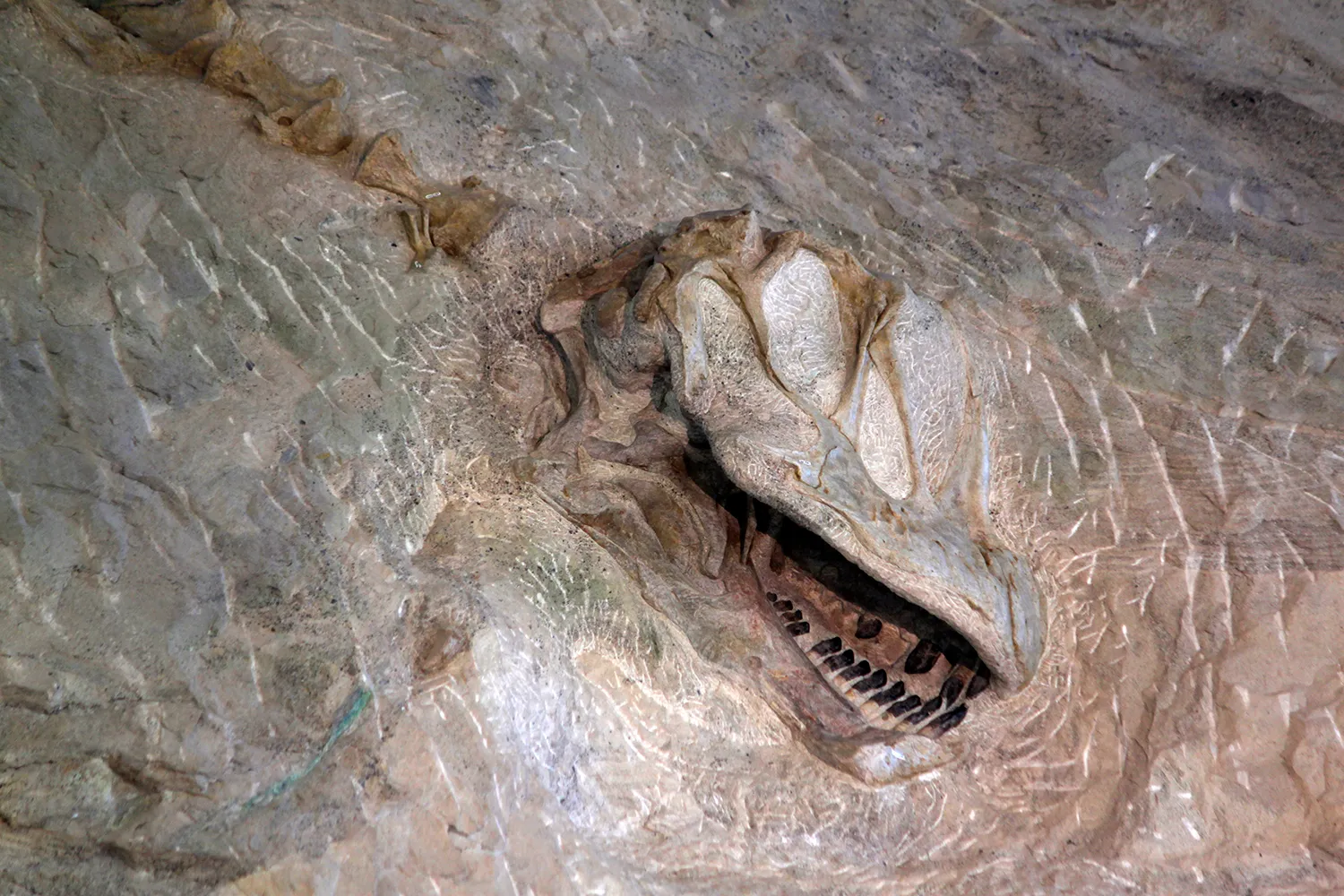
See a Real Camarasaurus Skull in the Wall of Bones
At Dinosaur National Monumentin Utah, there is a famous cliff of rock packed with real dinosaur bones. It's called the Wall of Bones.
One of its treasures is a real Camarasaurus skull, still stuck in the rock exactly where it was buried. You can see its short snout and its rows of big teeth. Visitors can walk right up to the wall inside the Quarry Exhibit Hall.
The same area gave us a young Camarasaurus skeleton that is now at the Carnegie Museum of Natural History in Pittsburgh. It is one of the most complete long-neck dinosaur skeletons ever found.
Camarasaurus vs Diplodocus and Brachiosaurus
Camarasaurus shared its home with two other famous long necks, Diplodocus and Brachiosaurus. How could so many giant plant eaters live together? They probably ate different plants at different heights, so they didn't all compete for the same food.
Camarasaurus
- Neck
- Shorter and stiffer
- Head
- Short and boxy
- Teeth
- Big, spoon-shaped
- Probably ate
- Middle-height bushes and trees
Diplodocus
- Neck
- Very long, held lower
- Head
- Long and low
- Teeth
- Thin, like pencils
- Probably ate
- Soft plants, often low down
Brachiosaurus
- Neck
- Very long, held high
- Head
- Tall, with a bump on top
- Teeth
- Spoon-shaped
- Probably ate
- Treetops
| Dinosaur | Neck | Head | Teeth | Probably ate |
|---|---|---|---|---|
| Camarasaurus | Shorter and stiffer | Short and boxy | Big, spoon-shaped | Middle-height bushes and trees |
| Diplodocus | Very long, held lower | Long and low | Thin, like pencils | Soft plants, often low down |
| Brachiosaurus | Very long, held high | Tall, with a bump on top | Spoon-shaped | Treetops |
🤯 Mix-up fact: Long ago, museums didn't have a real Brontosaurus head, so their Brontosaurus skeletons were given a short, boxy skull like Camarasaurus's. Scientists later worked out that Brontosaurus really had a long, low head more like Diplodocus.
Compare Camarasaurus with 10 more giants, from tiny-headed Nigersaurus to enormous Patagotitan, on our Long Neck Dinosaurs page.
Who Lived With Camarasaurus?
Camarasaurus lived in the Late Jurassic, about 155 to 145 million years ago. Its fossils come from a thick layer of rock called the Morrison Formation, which stretches across the western United States, including Colorado, Utah, Wyoming and New Mexico.
It shared this land with other plant eaters like Stegosaurus, Diplodocus, Apatosaurus and Brachiosaurus. Meat-eating dinosaurs lived there too: Allosaurus, Ceratosaurus and Torvosaurus.
A grown-up Camarasaurus was so big that most predators left it alone. Babies and young ones were much smaller, though, so they had to be careful.
Meet more gentle giants on our Herbivore Dinosaurs and Types of Dinosaurs pages.
Western United States
Morrison Formation rocks in Colorado, Utah, Wyoming, New Mexico and nearby states
Camarasaurus Activities for Kids
- Hollow bones test:compare holding a full water bottle and an empty one. The empty one is much lighter, just like Camarasaurus's backbones with their air pockets.
- Spoon teeth vs pencil teeth: try scooping up a piece of lettuce with a spoon, then with a pencil. Which works better for tough food?
- Middle-height munchers: stand like a Camarasaurus and pretend to eat leaves from a bush at chest height, then stretch tall like Brachiosaurus for the treetops.
- Color a long neck: print a free page from our Dinosaur Coloring Pages and give it a short, boxy Camarasaurus head.
Frequently Asked Questions
What kind of dinosaur is Camarasaurus?
Camarasaurus was a sauropod, which is a giant long-necked, plant-eating dinosaur that walked on four legs. It had a short, boxy head and a shorter neck than cousins like Diplodocus and Brachiosaurus.
How do you say Camarasaurus?
Say it KAM-uh-ruh-SORE-us. The name means "chambered lizard" because its backbones had hollow chambers, or air pockets, inside them.
How big was Camarasaurus?
Most Camarasaurus were about 50 to 60 feet (15 to 18 metres) long, longer than a school bus, and about 15 feet tall at the hips. They probably weighed around 18 to 20 tonnes, as much as several elephants. The biggest kind, Camarasaurus supremus, may have reached about 75 feet (23 metres) and weighed perhaps 40 tonnes or more.
When did Camarasaurus live?
Camarasaurus lived in the Late Jurassic period, about 155 to 145 million years ago. That was long before T. rex, which lived about 80 million years later.
What did Camarasaurus eat?
Camarasaurus was a herbivore, so it ate only plants. Its big, spoon-shaped teeth and strong jaws could bite through tougher leaves and twigs than pencil-toothed cousins like Diplodocus. It probably fed on bushes and trees at about middle height.
Where have Camarasaurus fossils been found?
Camarasaurus fossils come from the Morrison Formation, a layer of rock in the western United States, including Colorado, Utah, Wyoming and New Mexico. It is the most common long-neck dinosaur found in North America's Late Jurassic rocks.
Who discovered Camarasaurus?
Scientist Edward Drinker Cope named Camarasaurus in 1877, from fossils found at Garden Park in Colorado.
Can you see a real Camarasaurus fossil?
Yes! At Dinosaur National Monument in Utah, a real Camarasaurus skull is still stuck in the rock of the famous Wall of Bones, where visitors can see it. Many museums, like the Carnegie Museum of Natural History in Pittsburgh, also have Camarasaurus skeletons on show.
Sources: National Park Service, Dinosaur National Monument (Camarasaurus articles); Wikipedia's Camarasaurus article and the studies it cites. Sizes and weights are scientists' estimates.
Image credits: Camarasaurus skull in the Wall of Bones, NPS photo, Dinosaur National Monument (public domain). Via Wikimedia Commons: top image, Camarasaurus supremus by Dmitry Bogdanov (CC BY 3.0); Camarasaurus side view by Connor Ashbridge (CC BY 4.0); young Camarasaurus skeleton (CM 11338) by James St. John (CC BY 2.0); Camarasaurus tooth by Skye McDavid (CC BY 4.0).
Does your little one love dinosaurs? 🦕
Explore our dinosaur-themed nursery rhymes and kids' songs!