
Are There Dinosaurs in the Bible?
Meet Behemoth, Leviathan and the Bible's “dragons,” find out how different people understand them, and learn what scientists have discovered. A gentle guide for curious kids and their grown-ups.
Quick Answer
The word “dinosaur” isn't in the Bible. It was only invented in 1842. But the Bible does describe some amazing giant creatures, especially Behemoth and Leviathan in the Book of Job, plus “dragons” and sea monsters. People understand them in different ways: some see a hippo and a crocodile, some see dinosaurs, and some see poetic symbols of God's power.
A Big Question From Little Dino Fans
If you love dinosaurs and you read Bible stories, you might wonder: “Why doesn't Noah's ark story talk about T. rex?” It's a great question, and grown-ups have been asking it for almost 200 years!
The Bible was written thousands of years ago in Hebrew and Greek. Back then, nobody had a word for dinosaurs. Scientist Richard Owen made up the name “dinosaur,” meaning “terrible lizard,” in 1842, after people started digging up giant fossil bones. So we won't find that word in any Bible. What we can do is look at the creatures the Bible does describe.
👨👩👧 A note for grown-ups: families believe different things about this topic, and that's okay. This page explains each view fairly, without telling you which one to choose. Jump to tips for talking with your child.
Meet the Bible's Giant Creatures
In the Book of Job, God answers Job's hard questions by pointing him to the wonders of creation: stars, storms, wild animals, and finally two enormous beasts. Here are the creatures people usually mean when they ask about dinosaurs in the Bible. (Quotes are from the King James Version.)
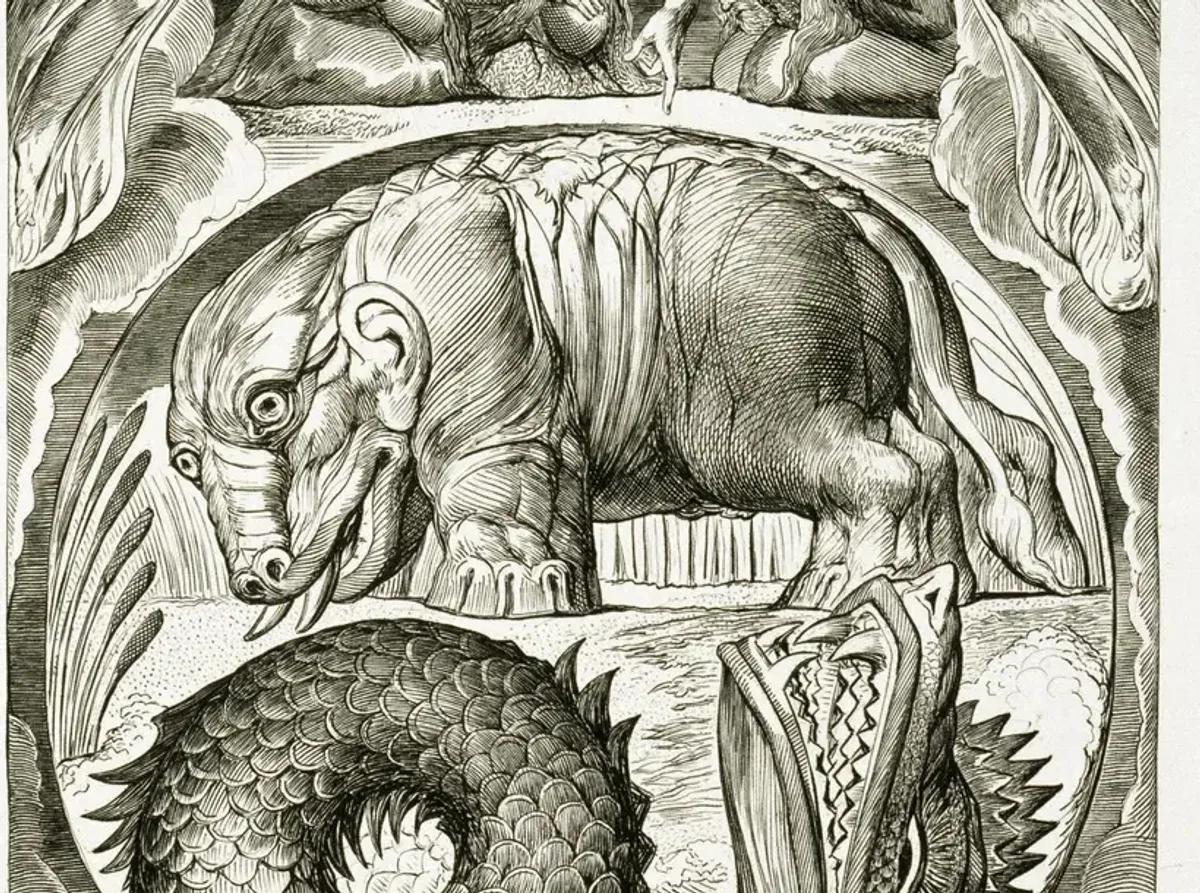
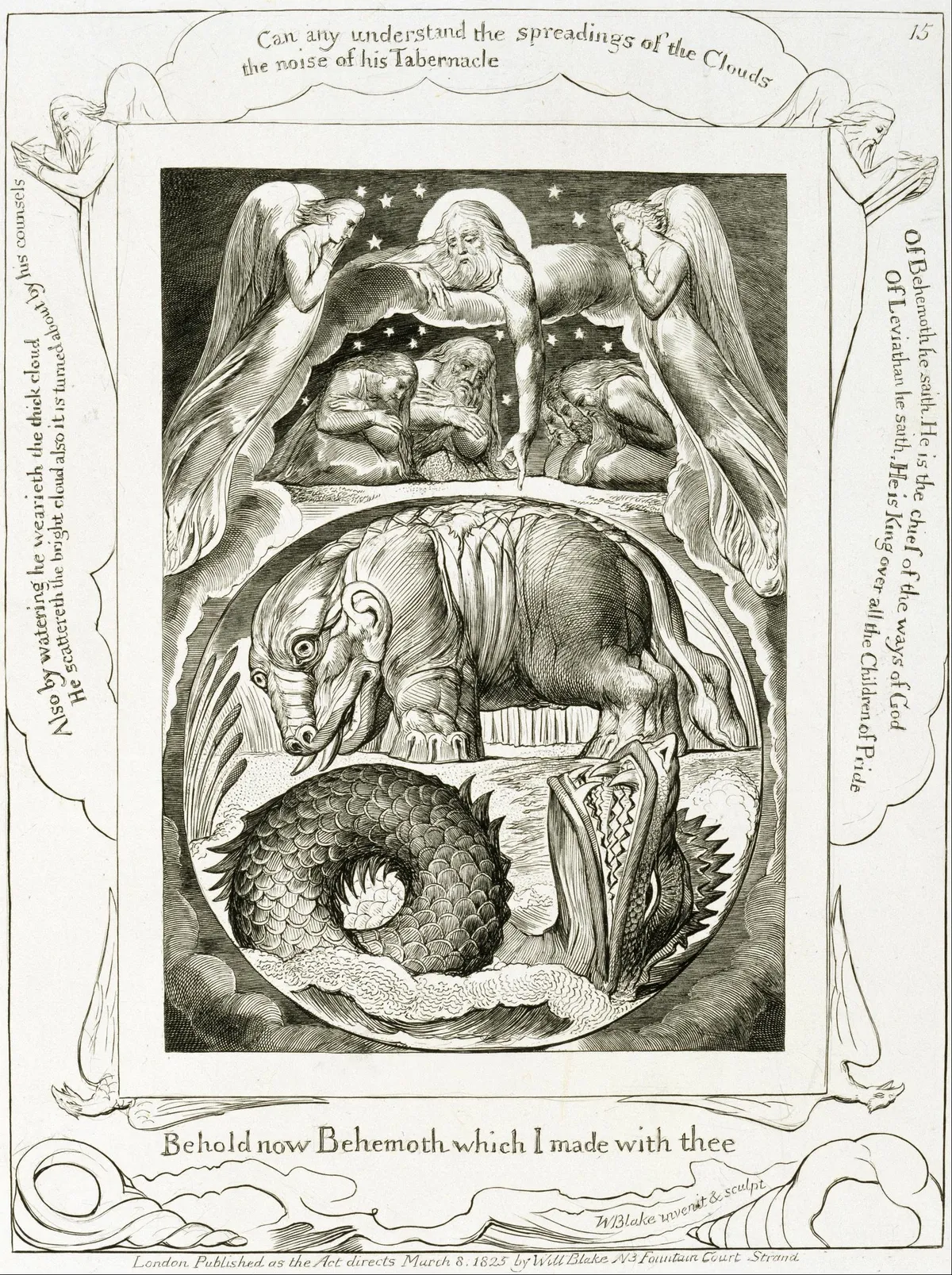
Behemoth
Say it: BEE-heh-moth · Job 40:15–24
A huge, strong animal that eats grass, rests by the river among the reeds, and isn't scared when the river rushes. Its name comes from a Hebrew word that means something like “the great beast.”
- “He eateth grass as an ox.” (Job 40:15)
- “He moveth his tail like a cedar.” (Job 40:17)
- “His bones are as strong pieces of brass.” (Job 40:18)
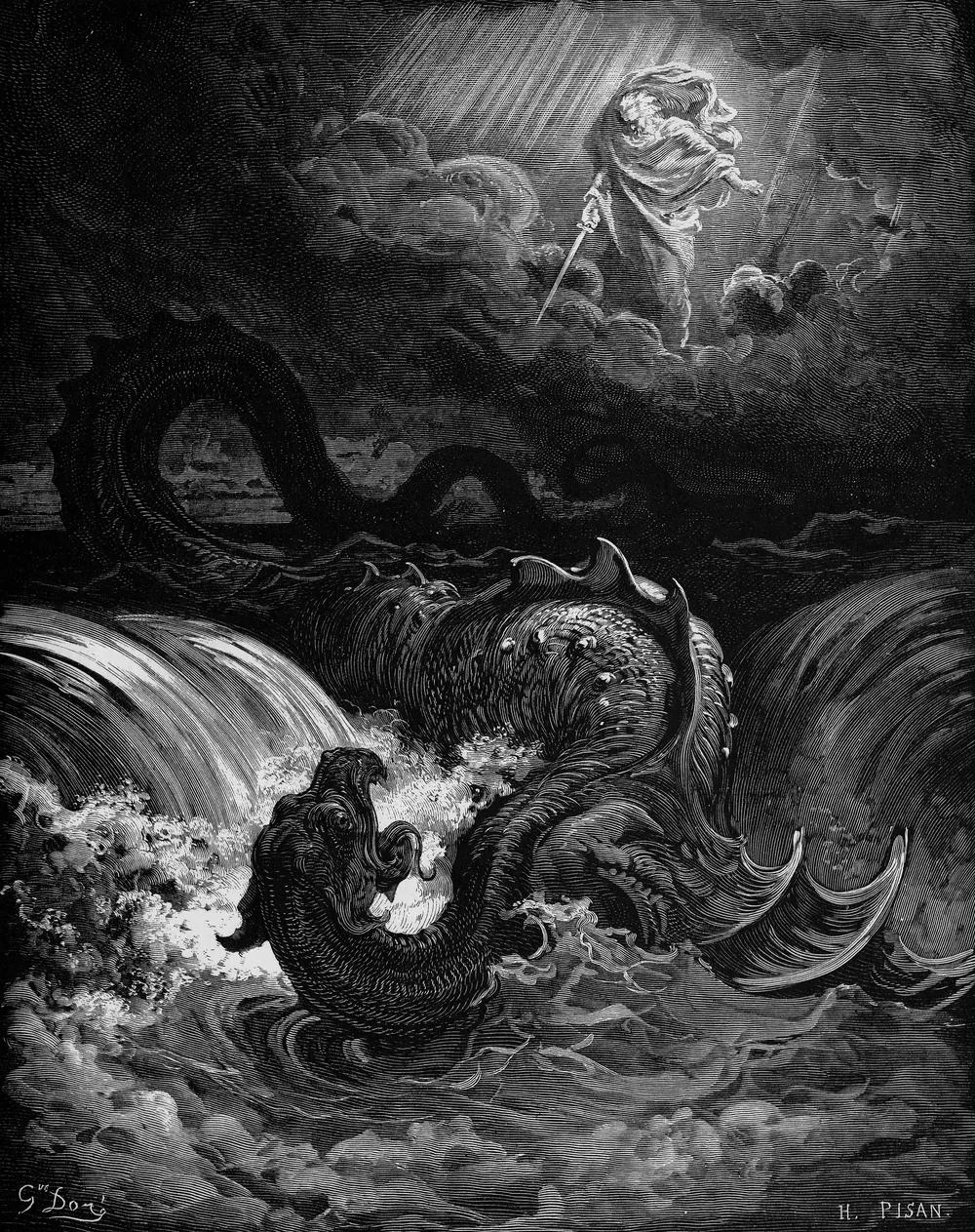
Leviathan
Say it: leh-VY-uh-thun · Job 41, Psalm 104:26, Isaiah 27:1
A mighty creature of the water with tough scales, fierce teeth, and a body no hook or spear can stop. In Job it even sounds like it breathes smoke and fire! In Psalm 104 it simply plays in the sea.
- “Canst thou draw out leviathan with an hook?” (Job 41:1)
- “His scales are his pride.” (Job 41:15)
- “There is that leviathan, whom thou hast made to play therein.” (Psalm 104:26)
Tannin: “dragons” & sea monsters
Say it: tah-NEEN · Genesis 1:21, Psalm 148:7, Isaiah 51:9 and more
The Hebrew word tannin (plural tanninim) is translated in different ways: “great whales,” “great sea creatures,” “serpents,” “sea monsters,” or “dragons.” The old King James Bible uses “dragon” more than 20 times. A similar-looking word in some verses means jackals!
- “And God created great whales…” (Genesis 1:21, KJV)
- “Praise the LORD from the earth, ye dragons, and all deeps.” (Psalm 148:7, KJV)
So Were They Dinosaurs? How Different People See It
The Bible doesn't give a scientific name for Behemoth or Leviathan, so readers have come up with different answers. Here are the main ones, explained as fairly as we can.
Animals we know today
Many Jewish and Christian Bible scholars
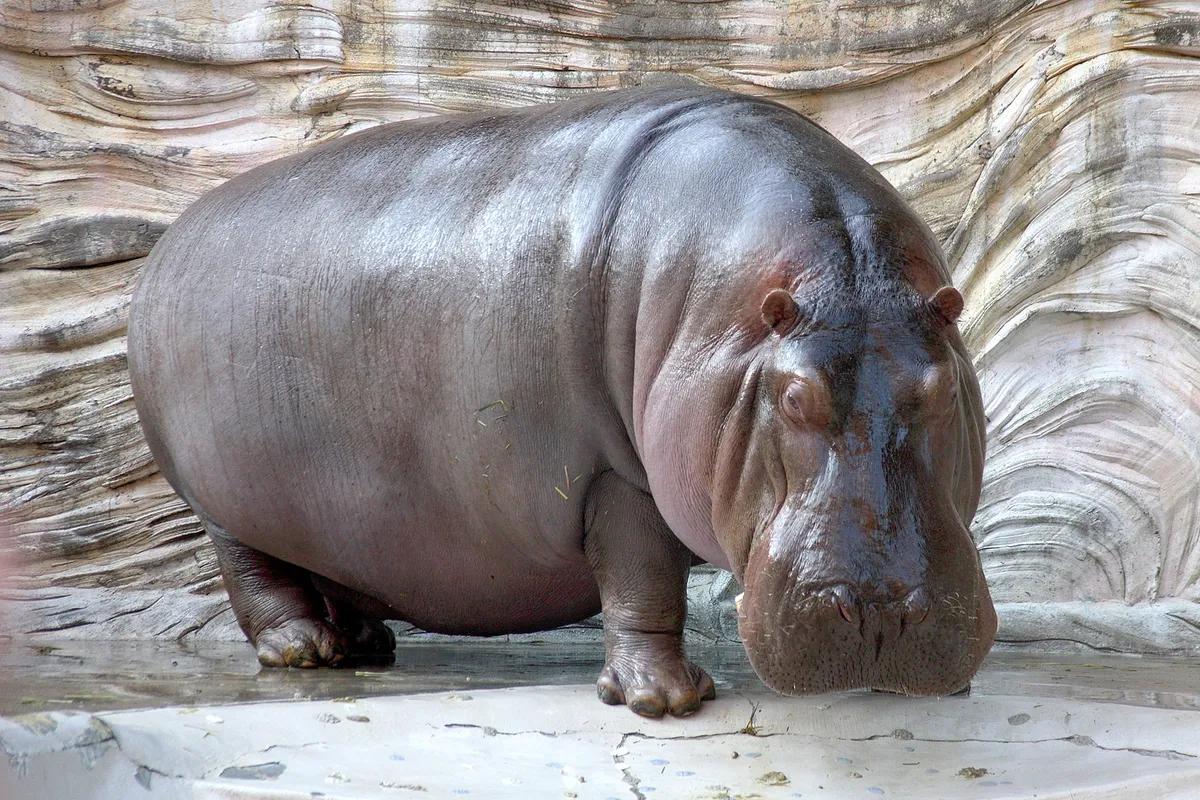
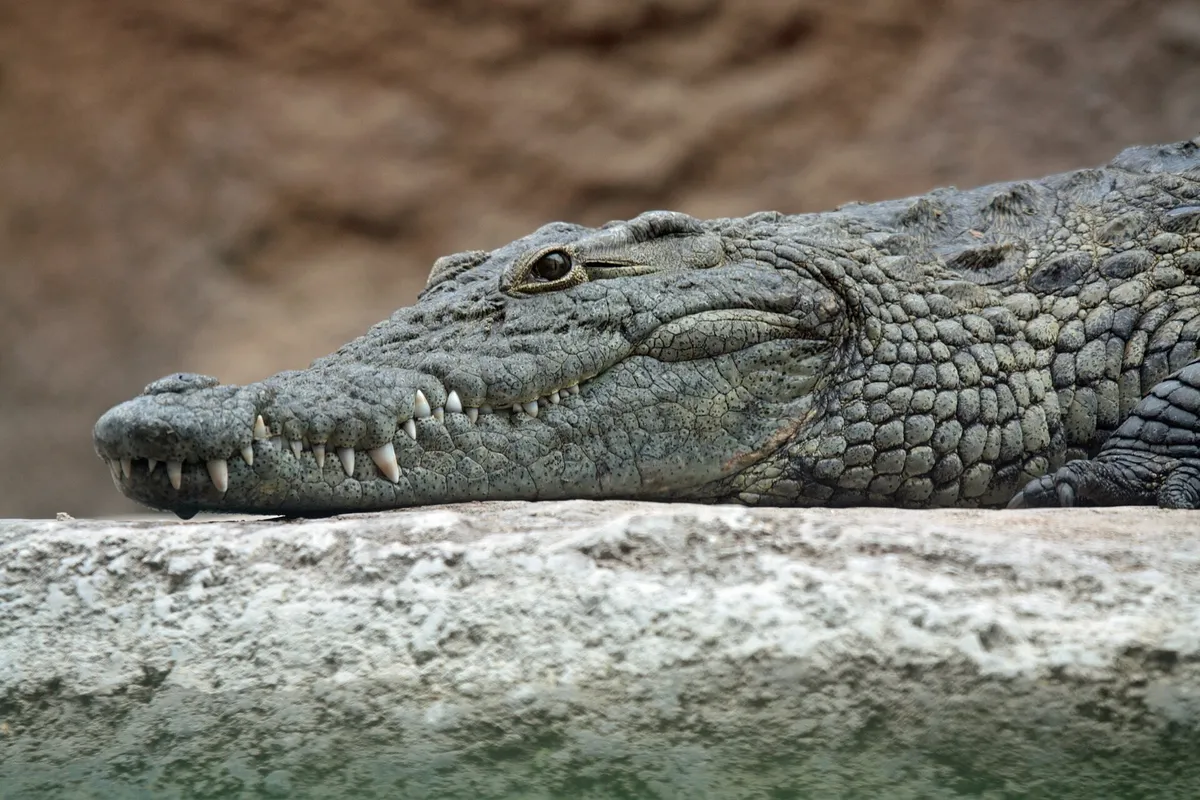
Behemoth sounds a lot like a hippopotamus (or an elephant), and Leviathan like a Nile crocodile, the most dangerous animals people in the ancient Middle East knew. Job is poetry, so the descriptions are big and dramatic on purpose. Many readers think the “tail like a cedar” is a poetic way to say “very strong.”
Dinosaurs that lived with people
Young-earth creationist Christians
Some Christians believe the Earth is only thousands of years old and that God made dinosaurs and people at the same time. They point out that a hippo's tail is tiny, but a long-necked sauropod like Brachiosaurus had a tail like a tree trunk. So they read Behemoth as a sauropod and Leviathan as a giant sea reptile.
Poetry and symbols
Many Christian and Jewish teachers
Other readers see Leviathan as a symbol of the wild, scary sea and of chaos. Older stories from the same part of the world, written in the Ugaritic language, mention a sea serpent called Lotan. In this view, the Bible uses that image to show that God is stronger than anything frightening.
Wonders in Jewish tradition
Classic Jewish writings
Old Jewish teachings in the Talmud and midrash tell wonderful stories about Leviathan of the sea, Behemoth of the land, and the giant bird Ziz. One tradition says Leviathan and Behemoth will be served at a great feast for the righteous at the end of days!
💡 Something most readers agree on: whatever Behemoth and Leviathan were, the point of the story in Job is the same. These creatures are so big and wild that no person can tame them, which helps Job feel wonder at creation and trust the God who made it.
What Do Scientists Say About When Dinosaurs Lived?
Scientists who study fossils are called paleontologists. By measuring the rocks that fossils are found in, they have worked out this timeline:
About 230 million years ago
The first dinosaurs appear
About 66 million years ago
An asteroid hits Earth and the giant dinosaurs die out
About 300,000 years ago
The first modern humans appear
In the rocks, scientists find giant dinosaur bones in much older layers than any human bones or tools. That's why scientists say people and the giant dinosaurs never met. They work this out with methods like radiometric dating, which measures tiny natural “clocks” inside certain rocks.
Young-earth creationists read the fossil record differently. Many of them believe most fossils formed quickly during Noah's flood, and that the Earth is about 6,000 to 10,000 years old. They agree dinosaurs were real animals made by God; the disagreement is about when they lived.
🐦 Fun fact everyone can enjoy: we still share the world with dinosaurs! Scientists have found that birds are living dinosaurs, so the robin in your garden is a tiny cousin of T. rex.
Can You Love God and Love Dinosaur Science?
Yes! People of faith have very different ideas about how to read Genesis, but loving dinosaurs fits with all of them:
- Young-earth creationists read the days of creation in Genesis as six 24-hour days and believe dinosaurs lived alongside the first people.
- Old-earth creationists believe God created the world over a very long time, so dinosaurs lived and died out long before people.
- Many Christians, Jews and other believers accept the science of an ancient Earth and see Genesis as teaching who made the world and why, rather than exactly how. The Catholic Church and many Protestant and Jewish groups hold views like this.
- People who aren't religious may read these Bible passages as ancient poetry and history, and enjoy them as part of world literature.
Some famous scientists who studied fossils and the history of life were also people of deep faith. Whatever your family believes, digging into dinosaurs is a wonderful way to feel amazed at our world.
Bonus: Did Fossils Inspire Dragon Stories?
Dragons appear in stories from China to Europe to the Middle East. Historian Adrienne Mayor has suggested that some ancient people may have found giant fossil bones and imagined monsters to explain them. For example, the beaked dinosaur Protoceratops, found in the deserts of Central Asia, may have helped inspire tales of the griffin. Not every scholar agrees, but it's a fun idea to think about!
For Parents: How to Talk With Kids About Dinosaurs and the Bible
Little ones mostly want to know that their question is welcome. Older kids may want to hear the different views. These tips work for any family.
- 1
Start with their question
Ask “What made you wonder about that?” Kids often heard something at church, school or on a video. Knowing where the question came from helps you answer the real question.
- 2
Share what your family believes
It's perfectly fine to say “In our family, we believe…” Kids feel secure when they know where you stand.
- 3
Be honest that people disagree
Try: “Some people think Behemoth was a dinosaur, and others think it was a hippo. Even very smart, kind people who love the Bible see it differently.”
- 4
Separate what's written from what's read into it
Read Job 40 together. What does it actually say? Then talk about how different people explain it. It's a great early lesson in careful reading.
- 5
Keep science exciting, not scary
Fossils, museums and dig kits are a wonderful way to explore together, whatever your beliefs about the age of the Earth.
- 6
Teach respect for friends
Your child will meet classmates whose families believe differently. Remind them that we can disagree and still be kind.
🖍️ Try this together: Draw Behemoth!
Read Job 40:15–24 aloud and have your child draw what they imagine: a creature that eats grass, rests under lotus plants, hides in the reeds and has bones like bronze. Does it look like a hippo, an elephant or a long-necked dinosaur? There's no wrong answer! Want more to color? Try our free dinosaur coloring pages.
Frequently Asked Questions
Does the Bible mention dinosaurs?
The word “dinosaur” is not in the Bible. It was invented in 1842 by the scientist Richard Owen, long after the Bible was written. The Bible does describe huge creatures called Behemoth and Leviathan, plus “dragons” or sea monsters (tannin), and people disagree about what those were.
What is Behemoth in the Bible?
Behemoth is a giant, grass-eating animal described in Job 40:15–24. Many scholars think it was a hippopotamus or an elephant. Young-earth creationists often think it was a long-necked sauropod dinosaur because of its tail “like a cedar.” Others see it as a poetic picture of the mightiest land animal.
What is Leviathan in the Bible?
Leviathan is a powerful water creature in Job 41, Psalm 104 and Isaiah 27. It is often linked to the crocodile, to a large sea creature, or to a symbolic sea dragon that stands for chaos. Some creationists think it may have been a marine reptile.
Are the dragons in the Bible dinosaurs?
The Hebrew word behind “dragon” (tannin) can mean serpent, sea monster or large sea creature, and modern Bibles usually translate it that way. Some people connect these to dinosaurs or sea reptiles, while most scholars see them as snakes, crocodiles, whales or symbolic monsters.
Did dinosaurs and people live at the same time?
Scientists have found that the giant dinosaurs died out about 66 million years ago, and humans appeared about 300,000 years ago, so the fossil record does not show them living together. Young-earth creationists believe they did live at the same time. One fun fact everyone can enjoy: birds are living dinosaurs, so we do share the world with dinosaurs today!
Can you believe in God and in dinosaurs?
Yes, and many people do! Millions of Christians, Jews, Muslims and people of other faiths accept what scientists say about dinosaurs and the age of the Earth. Young-earth creationists also fully believe dinosaurs were real; they disagree with scientists mainly about when dinosaurs lived.
Why aren't dinosaurs named in the Bible?
Many people point out that the Bible is mainly about God and people, not a list of every animal. The writers used the animal names their readers knew. Different traditions explain the rest in different ways, depending on how they read Genesis.
Image credits (via Wikimedia Commons): “Behemoth and Leviathan” by William Blake, 1825 (public domain); “The Destruction of Leviathan” by Gustave Doré, 1865 (public domain); hippopotamus photo by Kabacchi (CC BY 2.0); Nile crocodile photo by Leigh Bedford (CC BY 2.0). Bible quotations are from the King James Version (public domain).
Does your little one love dinosaurs? 🦕
Explore our dinosaur-themed nursery rhymes and kids' songs!